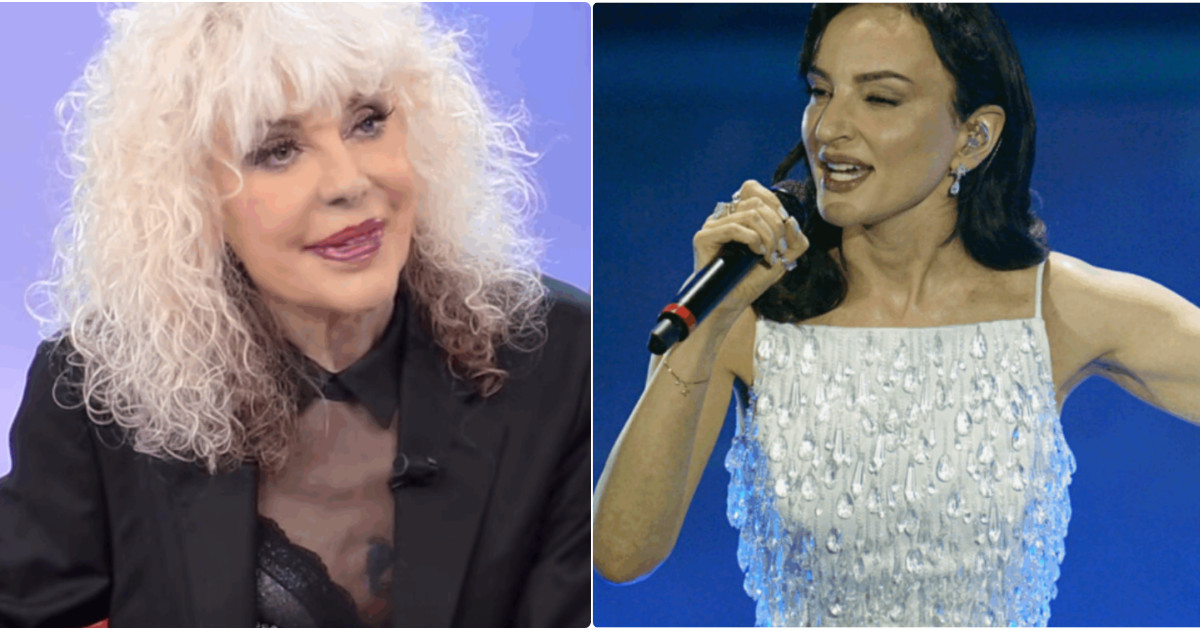
Rettore's "Ingrassa" Comment to Arisa: Body Shaming Debate Ignites TV
The spotlight of Italian television, often a stage for glamorous performances and heartfelt interviews, recently became the arena for a heated debate on body image and the power of words. At the heart of this controversy lies an exchange between two prominent Italian singers, Donatella Rettore and Arisa, during a live broadcast of Rai's La Volta Buona. A seemingly innocuous, whispered comment from Rettore to Arisa regarding her weight quickly escalated into a national discussion, sparking outrage across social media platforms like X and TikTok and shining a harsh light on the persistent issue of body shaming in public discourse. This incident, centered around the phrase "ingrassa, perché sei troppo magra" (gain weight, because you're too thin), has reignited vital conversations about language in media, the complexities of body image, and the responsibility of public figures.
The Incident Unfolds: A Whisper Heard Around Italy
The scene unfolded on February 25, 2026, within the vibrant glass studio of SIAE, overlooking Sanremo's Piazza Borea d’Olmo. Fresh from the Festival, Arisa was a guest on La Volta Buona, a popular Rai program hosted by Caterina Balivo. She engaged in a twenty-minute discussion with commentators Luca Dondoni, Tommaso Zorzi, and Donatella Rettore, sharing behind-the-scenes glimpses of her Sanremo looks and insights into her song, "Magica Favola." As the segment drew to a close and Arisa prepared to depart, a moment intended for a simple farewell took an unexpected turn. Rettore embraced Arisa, offering a compliment before adding, in a low voice that was nonetheless clearly picked up by the microphones, "Ciao bellissima. Stammi bene, ma ingrassa, perché sei troppo magra."
What followed was an immediate online uproar. The snippet, swiftly shared and dissected on social media, resonated deeply with users who perceived Rettore's remark as a form of body shaming. While such an expression might be common in casual, familial conversations, its utterance on live national television, directed at an artist with a publicly known complex relationship with her body, granted it a vastly different weight. Arisa, for her part, handled the moment with remarkable grace, choosing to sidestep the comment elegantly without a direct reply, a testament to her composure in the face of an uncomfortable public scrutiny that instantly went viral.
Arisa's Candid Journey: More Than Just a Number
To fully grasp the magnitude of the controversy surrounding the Rettore Arisa Volta Buona exchange, it's crucial to understand Arisa's long and very public journey with her body image and weight. Unlike many public figures who shy away from such personal topics, Arisa has consistently been candid about her experiences, transforming her vulnerability into a source of connection with her audience. She has openly discussed her "complex relationship" with her physique and the significant fluctuations in her weight over the years.
In 2019, Arisa explained a pattern of alternating between stringent dietary regimes and periods of considerable weight gain. She described maintaining an "impeccable regime to see myself beautiful," only for the sight of 53 kg on the scale to trigger a shift, leading to gains of up to 13 kg in just two months. Later, in 2022, she revealed to Corriere della Sera that rapid weight loss was often linked to romantic disappointments, noting she tends to eat less both when heartbroken and when deeply in love. Her past includes what she describes as "disordered eating," heavily reliant on sweets and sugary drinks, with her weight management often dictated more by her emotional state than structured diets.
Today, Arisa expresses a profound sense of self-acceptance: "Adesso mi piaccio di più che a 20 anni… Sono distante dalla palletta simpatica di Sincerità, ma mi piaceva anche quella ragazza." This statement reflects a hard-won peace with her body, embracing her evolution from the "cute little ball" of her "Sincerità" days to her current self. This rich personal history, marked by candid discussions about body image, makes Rettore's "ingrassa" comment particularly sensitive. For many, it felt like an unwarranted intrusion into a personal struggle, highlighting the ongoing need for greater awareness and empathy when discussing bodies, even under the guise of a compliment. For a deeper dive into Arisa's personal battle with body image and why this comment resonated so strongly, read our related article: Arisa's Body Journey: Why Rettore's TV Remark Sparked Controversy.
Body Shaming's "Grey Area": When "Compliments" Can Hurt
The reaction to the Rettore Arisa Volta Buona incident underscores a critical, yet often overlooked, aspect of body shaming: the "grey area." While direct commands to lose weight are increasingly recognized as unacceptable in public, comments suggesting someone is "too thin" continue to occupy a space of social acceptance. This double standard reveals a deeply ingrained societal issue where unsolicited remarks about anyone's body, regardless of whether they imply being "too large" or "too small," are frequently deemed permissible. However, as the outpouring of criticism online demonstrated, the public consciousness is evolving.
Users on platforms like X and TikTok were quick to label Rettore's comment as "evitable," pointing out that even well-intentioned advice about gaining weight can be harmful. It reinforces the idea that an individual's body is public property, open to judgment and commentary, rather than a private matter. This is particularly damaging for individuals like Arisa, who have openly navigated complex relationships with food and body image. Such remarks, even when framed as concern or a compliment, can trigger insecurities, unhealthy thought patterns, and contribute to a culture of constant physical evaluation. The incident serves as a powerful reminder that any unsolicited comment on another person's body size or shape can be perceived as intrusive and disrespectful, regardless of the speaker's intent. The digital age has amplified these conversations, holding public figures and media outlets to higher standards of sensitivity and awareness. For further exploration of how such incidents challenge the very language of broadcast media, consider reading: TV Body Shaming: The Rettore-Arisa Incident Challenges Broadcast Language.
Navigating the New Era of Broadcast Language and Body Positivity
The controversy surrounding Rettore's comment to Arisa during La Volta Buona is more than just a fleeting media moment; it represents a significant snapshot of the evolving standards demanded of televised language. In an era where body positivity and neutrality movements are gaining global momentum, the expectation for media personalities and broadcasters to exhibit heightened awareness and sensitivity when discussing physical appearance is paramount. The days when public figures could make casual, often judgmental, remarks about bodies without repercussion are rapidly fading.
To foster a more inclusive and respectful media environment, several practical steps and insights can be considered:
- For Individuals & Viewers:
- Mindful Language: Practice active empathy. Before commenting on someone's appearance, ask yourself if it's truly necessary, kind, or helpful. Focus compliments on achievements, talents, or personal qualities rather than physical attributes.
- Challenge the Narrative: Be critical of media that promotes unrealistic body ideals or normalizes unsolicited body commentary. Support content that champions diversity and body acceptance.
- Educate Yourself: Understand the impact of body shaming, disordered eating, and mental health struggles linked to body image. Knowledge empowers you to be a more compassionate and informed participant in discussions.
- For Media Outlets & Public Figures:
- Set Clear Guidelines: Broadcasters should establish strict protocols regarding language used to describe or comment on guests' appearances. Training for presenters and commentators on sensitive communication is crucial.
- Promote Diversity: Feature a wide range of body types, ages, and backgrounds in programming to normalize natural human variation and challenge narrow beauty standards.
- Focus on Substance: Shift focus from superficial aspects to the guest's work, ideas, and contributions. This provides richer content and avoids potential pitfalls of appearance-based commentary.
- Accountability: When missteps occur, prompt and sincere apologies, coupled with educational initiatives, can transform negative incidents into learning opportunities.
The incident involving Donatella Rettore and Arisa serves as a powerful lesson for all of us. It highlights the invisible weight words carry, especially in the public sphere, and the collective responsibility we share in nurturing a culture where every body is respected and celebrated without judgment or unsolicited advice.
The Rettore Arisa Volta Buona incident has undeniably left an indelible mark on Italy's media landscape, serving as a poignant reminder that even seemingly innocuous comments about a person's body can ignite a widespread debate on ethics, respect, and the pervasive nature of body shaming. This episode underscores the evolving sensitivity required in public discourse, especially on television, where words can reach and influence millions. As society progresses towards greater body positivity and acceptance, the call for conscious communication, empathy, and respect for individual journeys with their bodies grows louder. It's a call for a media environment that uplifts and celebrates diversity, rather than inadvertently perpetuating harmful stereotypes or causing distress. Ultimately, this public discussion is a step towards fostering a more inclusive and understanding world, both on and off our screens.